PPR Pipe Maintenance Tips for Long-Term Performance
PPR (Polypropylene Random Copolymer) pipes are widely used in residential, commercial, and industrial plumbing systems because of their durability, corrosion resistance, and long service life. However, regular maintenance and proper handling can significantly improve performance and extend the lifespan of the piping system.
1. Perform Regular Visual Inspections
Schedule routine inspections to check for:
- Surface cracks or damage
- Water leakage around joints and fittings
- Pipe deformation or discoloration
- Loose support clamps
Early detection helps avoid costly repairs and system downtime.
2. Protect Pipes from Excessive UV Exposure
Although some PPR-C pipes include UV stabilization, prolonged direct sunlight can still affect long-term performance.
Best practices:
- Install pipes indoors whenever possible
- Use insulation or protective coverings outdoors
- Store unused pipes away from direct sunlight
3. Maintain Recommended Pressure Levels
Operating beyond the designed pressure rating can reduce pipe life.
Recommendations:
- Use the correct pressure class (PN10, PN16, PN20, PN25)
- Avoid sudden pressure surges
- Install pressure regulators where required
4. Control Water Temperature
PPR pipes perform well for both hot and cold water systems, but constant overheating can impact durability.
Tips:
- Keep water temperatures within manufacturer guidelines
- Use thermal insulation for hot water lines
- Avoid direct exposure to external heat sources
5. Check Fusion Welded Joints Periodically
Heat fusion joints are one of the strengths of PPR systems, but poor installation can create future issues.
Inspect for:
- Moisture near joints
- Uneven welding marks
- Signs of stress around connection points
6. Clean the System Periodically
Over time, sediment and mineral deposits may affect water flow.
Maintenance methods:
- Flush pipelines periodically
- Remove debris from connected filters
- Maintain clean water supply conditions
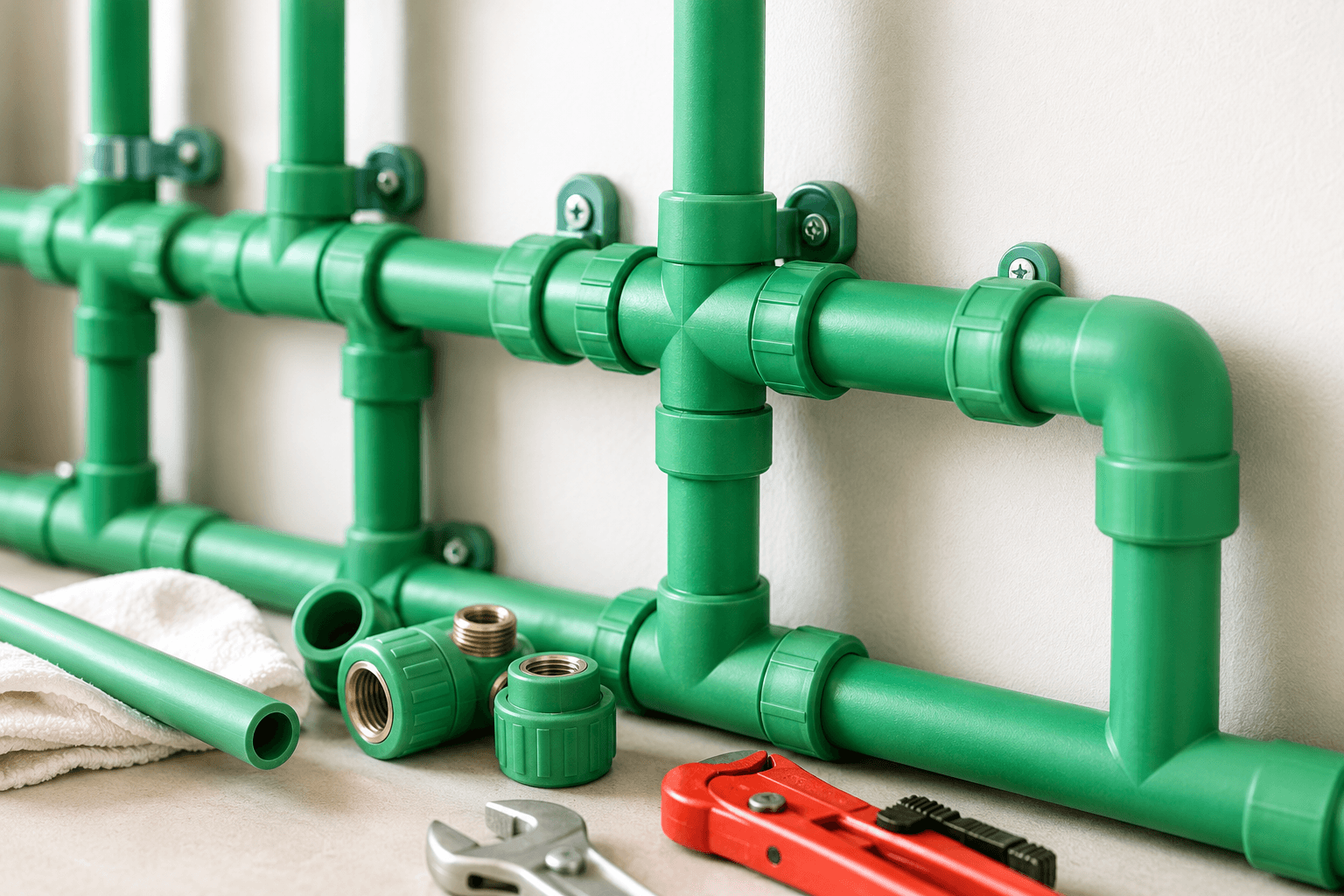
7. Ensure Proper Pipe Support
Incorrect support spacing may cause pipe sagging.
Guidelines:
- Install support clamps at recommended intervals
- Allow space for thermal expansion
- Secure vertical and horizontal lines properly
8. Prevent Mechanical Damage
PPR pipes are durable but should still be protected.
Avoid:
- Heavy impact during maintenance work
- Drilling or cutting near hidden pipelines
- Excessive bending beyond design limits
9. Replace Damaged Components Promptly
If fittings or sections show wear:
- Replace only affected sections
- Use compatible PPR fittings
- Follow proper heat fusion procedures
10. Keep Maintenance Records
For commercial and large-scale projects:
- Record inspections
- Track repairs and replacements
- Monitor pressure and temperature performance
Conclusion
PPR pipe systems can deliver reliable performance for decades when installed correctly and maintained regularly. Routine inspections, pressure management, UV protection, and proper support are simple practices that help reduce maintenance costs and maximize system lifespan.