PPR Pipes for Compressed Air Systems: Benefits & Applications
Compressed air is widely used in manufacturing plants, workshops, pharmaceutical facilities, automotive industries and other industrial applications. A reliable compressed-air piping system is essential for delivering clean and consistent air from the compressor to different machines and workstations.
Traditionally, compressed-air pipelines have been made from metal materials such as GI, MS or aluminium. However, modern piping technologies have introduced thermoplastic systems such as PPR (Polypropylene Random Copolymer) pipes for selected compressed-air applications.
PPR pipes can offer several advantages, including corrosion resistance, lightweight construction, smooth internal surfaces and easy installation. However, the pipe system must be specifically rated and approved by the manufacturer for compressed-air service.
What Are PPR Pipes?
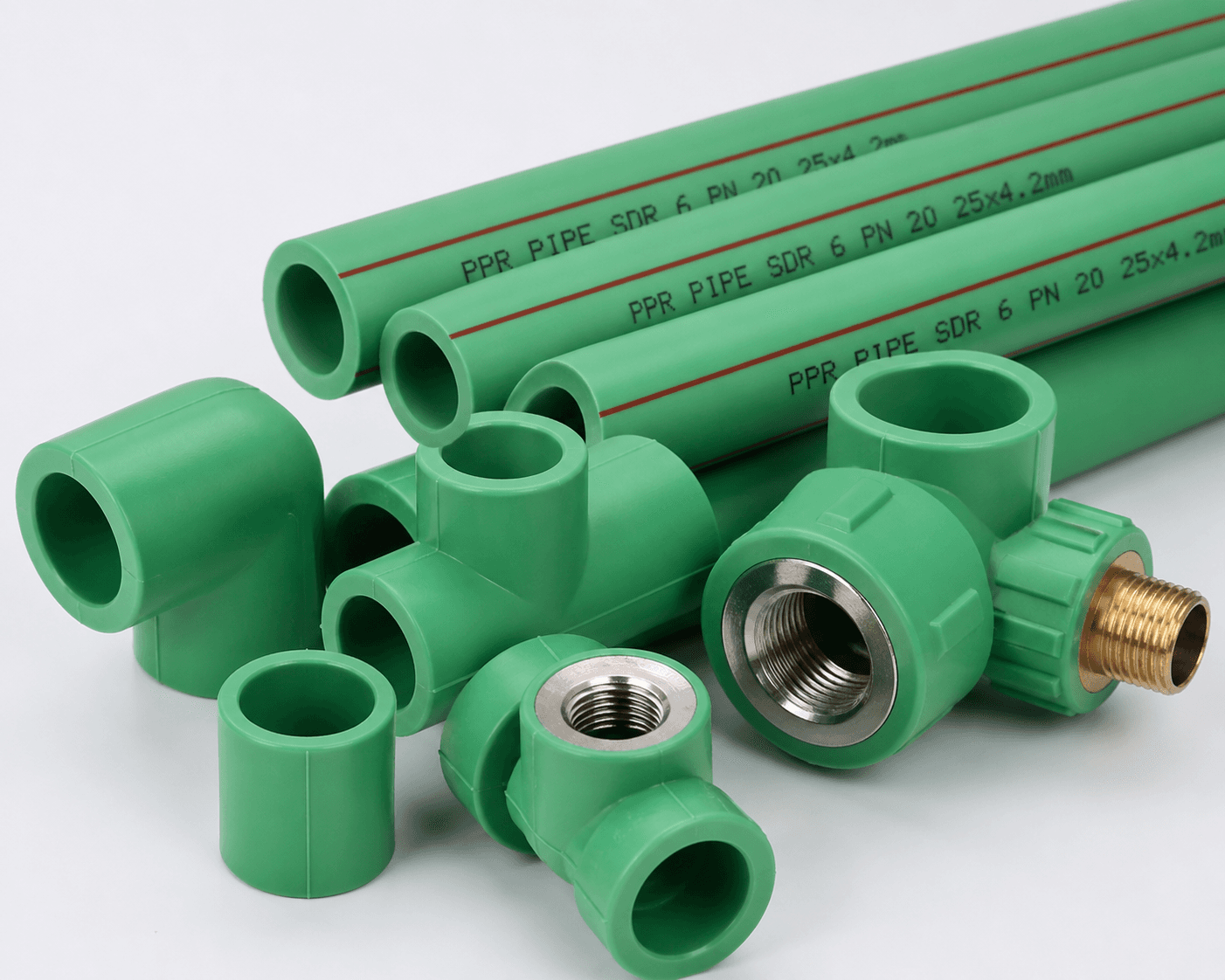
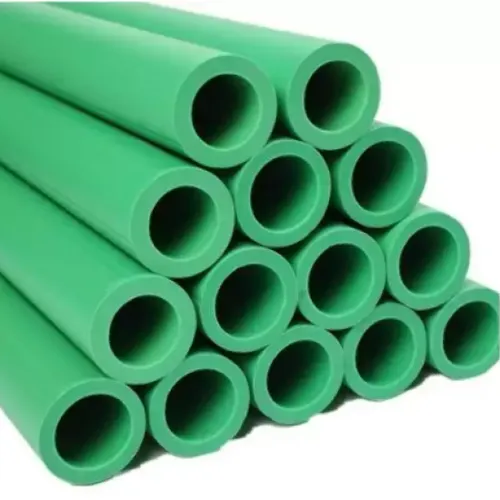
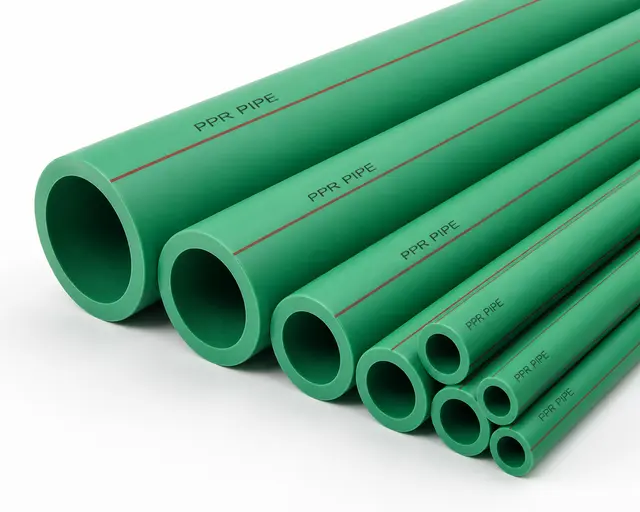
PPR pipes are manufactured from Polypropylene Random Copolymer (PPR/PPR-C). They are commonly used for hot and cold-water distribution, industrial fluid handling and other applications where the material is suitable.
For compressed-air applications, the complete piping system—including pipe, fittings, joints and valves—should be selected according to the required working pressure, temperature, air quality and manufacturer's specifications.
Can PPR Pipes Be Used for Compressed Air?
Yes, PPR piping systems can be used for compressed-air applications when the specific pipe and fitting system is designed, rated and approved for compressed air by the manufacturer.
Compressed air behaves differently from water because stored compressed air contains significant energy. Therefore, it is important not to assume that a PPR pipe suitable for water is automatically suitable for compressed air.
Before installation, verify:
Maximum working pressure
Operating temperature
Pipe SDR/pressure class
Manufacturer's compressed-air approval
Compatibility of fittings
Fusion-joint procedure
Applicable local safety requirements
Installation and support requirements
Benefits of PPR Pipes for Compressed Air
1. Corrosion Resistance
One of the major advantages of PPR is its resistance to corrosion.
Metal compressed-air pipelines can develop internal corrosion, especially when moisture is present in the compressed-air system. Corrosion can affect air quality and reduce the internal diameter of the pipeline over time.
PPR does not rust like conventional steel or GI pipes, helping reduce corrosion-related maintenance.
2. Smooth Internal Surface
PPR pipes have a relatively smooth internal surface.
A smooth internal bore can help reduce friction and pressure losses through the distribution network. This can contribute to efficient air delivery when the piping system is correctly designed.
3. Lightweight Construction
PPR pipes are lightweight compared with many traditional metal piping systems.
This makes transportation, handling and installation easier, particularly in large manufacturing facilities where long pipe runs and multiple air drops may be required.
4. Easy Installation
PPR pipes are generally joined using heat-fusion technology.
The fusion process creates a joint between the pipe and fitting without conventional threaded connections. When the manufacturer's procedure is followed correctly, the joint can provide a reliable and leak-resistant connection.
5. Lower Corrosion-Related Maintenance
Because PPR is corrosion resistant, the system can avoid many of the corrosion-related problems associated with traditional metal pipelines.
This can reduce maintenance requirements over the operating life of the installation.
6. Clean Air Distribution
For applications requiring clean compressed air, corrosion-resistant piping can be advantageous because the system does not generate rust particles in the same way as corroding ferrous metal piping.
However, overall compressed-air quality also depends on the compressor, air dryer, filters, oil separation and other treatment equipment.
7. Flexible System Design
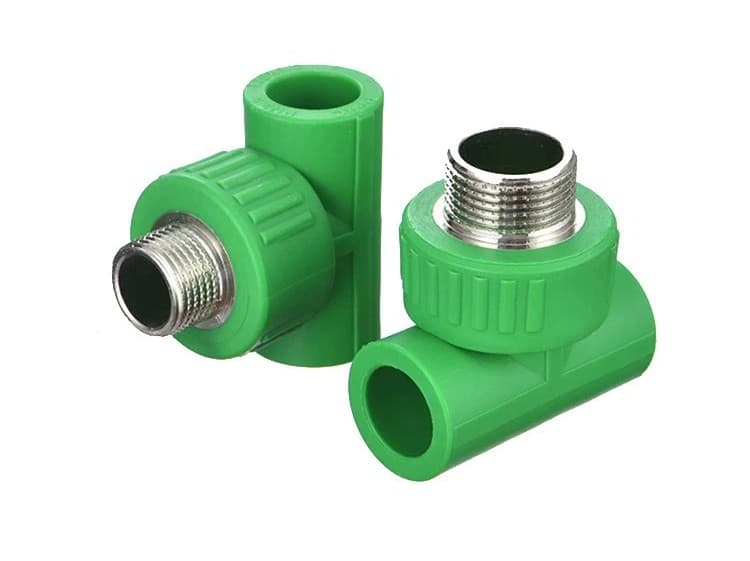
PPR pipes are available with various fittings that allow the creation of branch lines, vertical drops and equipment connections.
A properly designed ring-main or loop system can help provide more consistent pressure throughout a manufacturing facility.
Applications of PPR Compressed-Air Piping
Compressed-air piping can be required in many industries and facilities.
Manufacturing Plants
Manufacturing plants use compressed air for pneumatic tools, automation systems, cylinders, actuators and production machinery.
A PPR compressed-air distribution system may be considered where the selected piping system is approved for this application.
Pharmaceutical Plants
Pharmaceutical manufacturing facilities may require compressed air for production equipment, pneumatic controls and other processes.
For pharmaceutical applications, the required air quality and piping specifications should be established according to the process requirements.
Automotive Industries
Compressed air is commonly used for:
Pneumatic tools
Spray-painting equipment
Assembly equipment
Air-operated machinery
Cleaning applications
Automation systems
A suitable compressed-air piping network can distribute air efficiently from the compressor room to individual production areas.
Workshops
Workshops often require compressed air for pneumatic tools, spray equipment, cleaning and maintenance activities.
A properly planned piping system can provide multiple air outlets from a central compressor.
Packaging Industries
Packaging machinery frequently uses pneumatic cylinders, actuators and control systems. A reliable compressed-air network can help supply these machines at required pressure.
PPR Compressed Air System Components
A complete compressed-air piping installation may include:
Air compressor
Air receiver tank
Air dryer
Air filters
Main PPR pipeline
PPR elbows
PPR tees
Reducers
Valves
Flanged connections
Air drops
Drain points
Pressure gauges
Flexible connections
Quick couplers
Pipe supports and clamps
The exact components depend on the compressor capacity, pressure, air demand and plant layout.
Ring Main vs Direct Pipeline
Two common compressed-air distribution arrangements are ring-main systems and direct branch systems.
Ring Main System
In a ring-main system, the main pipeline forms a loop around the production area.
Advantages can include:
Better air distribution
Multiple supply directions
Reduced pressure variation
Easier expansion
Convenient connection of additional air drops
Direct Branch System
In a direct system, individual branch lines connect equipment to a main header.
This arrangement may be suitable for smaller installations or specific machine layouts.
How to Design a PPR Compressed-Air Pipeline
Proper design is important for achieving reliable compressed-air performance.
Step 1: Calculate Air Demand
Determine the total compressed-air consumption of all connected equipment.
Consider both normal and peak air demand.
Step 2: Determine Working Pressure
Identify the required operating pressure of the equipment and the compressor system.
The selected PPR piping system must have an appropriate working-pressure rating for the actual operating temperature and service conditions.
Step 3: Select Pipe Diameter
Pipe diameter should be selected based on:
Air flow
Pipeline length
Working pressure
Allowable pressure drop
Number of bends and fittings
Future expansion requirements
Oversized or undersized pipelines can affect system efficiency and project cost.
Step 4: Plan the Air Drops
Air drops should be positioned according to machine locations.
For many industrial layouts, vertical drops from the main line can be planned so that condensate is less likely to enter equipment connections.
Step 5: Provide Drainage
Compressed air can contain moisture depending on compressor and air-treatment conditions.
Drain points and appropriate moisture-management equipment should be incorporated into the system design.
Important Safety Considerations
Compressed air is a high-energy utility, so safety should always be a priority.
Do not use a standard water-service PPR pipe for compressed air unless the manufacturer specifically confirms that the pipe and fitting system is suitable and rated for compressed-air service.
Before commissioning:
Check the manufacturer's pressure rating.
Confirm temperature limitations.
Verify fitting compatibility.
Follow the manufacturer's jointing procedure.
Ensure adequate pipe supports.
Inspect all joints.
Conduct appropriate testing according to applicable requirements.
Provide isolation valves where required.
Follow applicable industrial safety regulations.
PPR vs Metal Pipes for Compressed Air
| Feature | PPR | Traditional Metal |
|---|---|---|
| Corrosion Resistance | High | Depends on metal/coating |
| Weight | Lightweight | Generally heavier |
| Installation | Heat fusion | Threading/welding/mechanical joints |
| Internal Surface | Smooth | Can corrode/scale |
| Rust Formation | No conventional rusting | Possible with ferrous metals |
| Maintenance | Generally low for corrosion | Can increase with corrosion |
| Handling | Easy | More difficult |
| Compressed-Air Suitability | Only when specifically approved | Commonly used |
The best piping material depends on the application, pressure, temperature, regulations, budget and manufacturer specifications.
Why Choose a Professional PPR Supplier?
Selecting a suitable PPR pipe is only one part of a compressed-air installation.
A reliable project should consider the complete system:
Compressor → Air Receiver → Dryer → Filters → Main Header → Distribution Pipeline → Air Drops → Equipment
The pipe diameter, pressure class, fittings, valves, supports and installation method should all be coordinated during project planning.
Conclusion
PPR piping can be an attractive option for compressed-air distribution because of its corrosion resistance, lightweight construction, smooth internal surface and fusion-jointed installation.
However, compressed air is a specialised application. Therefore, only use a PPR pipe and fitting system that is specifically approved and rated by the manufacturer for compressed-air service.
For manufacturing plants, pharmaceutical facilities, workshops, automotive units and other industrial projects, a properly designed compressed-air piping network can provide reliable air distribution to multiple machines and workstations.
Radiatech Electra supplies PPR pipes and fittings for industrial piping requirements. For compressed-air projects, the appropriate product specification, pressure rating and application approval should be confirmed before procurement and installation.
Frequently Asked Questions
Are PPR pipes suitable for compressed air?
PPR pipes can be suitable for compressed air only when the specific piping system is designed and approved by the manufacturer for compressed-air service.
What are the benefits of PPR compressed-air pipes?
Key potential benefits include corrosion resistance, lightweight construction, smooth internal surfaces, easy handling and heat-fusion jointing.
Can PN20 PPR pipe be used for compressed air?
A PN20 rating alone does not establish suitability for compressed air. The manufacturer must specifically approve the pipe and complete system for compressed-air service at the required pressure and temperature.
What industries use compressed-air piping?
Compressed air is widely used in manufacturing, automotive, pharmaceutical, packaging, engineering workshops and industrial automation.
How should compressed-air PPR pipes be joined?
PPR pipes are generally joined using heat fusion. The manufacturer's specified fusion temperature, heating time, insertion depth and cooling procedure should be followed.
Is PPR better than GI pipe for compressed air?
It depends on the project. PPR can offer advantages such as corrosion resistance and lower weight, while GI and other metal systems have different pressure, temperature, regulatory and installation characteristics. The correct choice should be based on the application and approved technical specifications.