Introduction
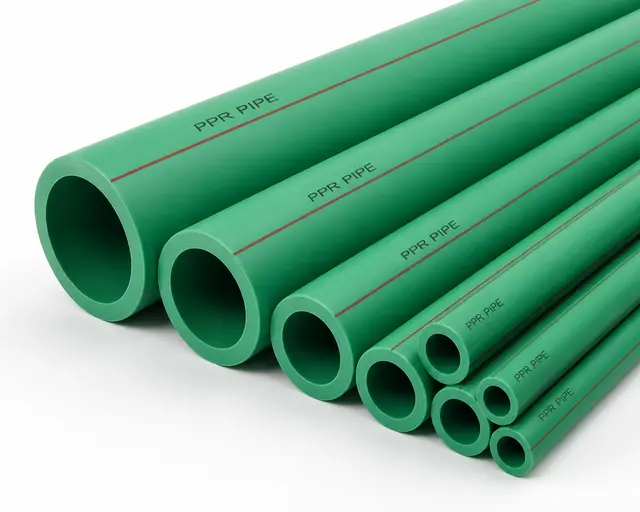
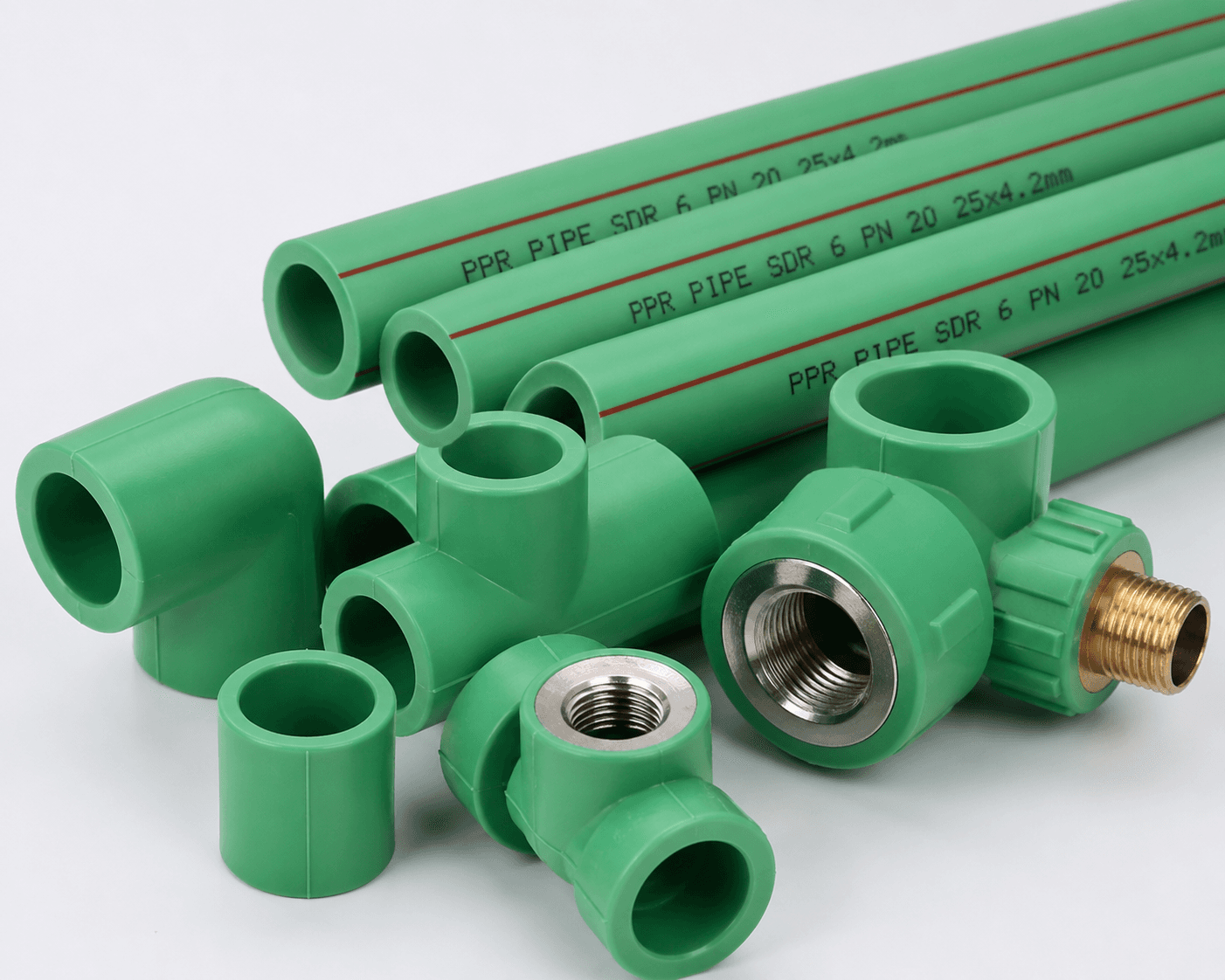
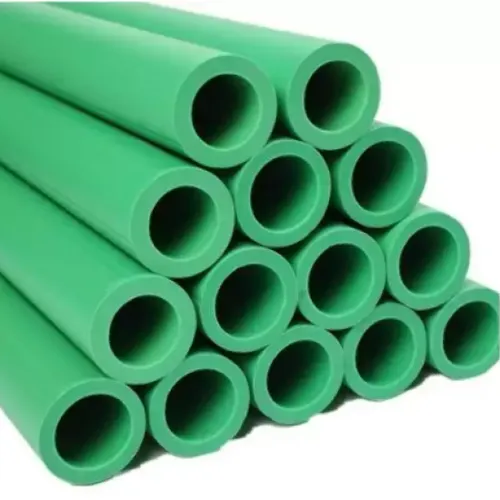
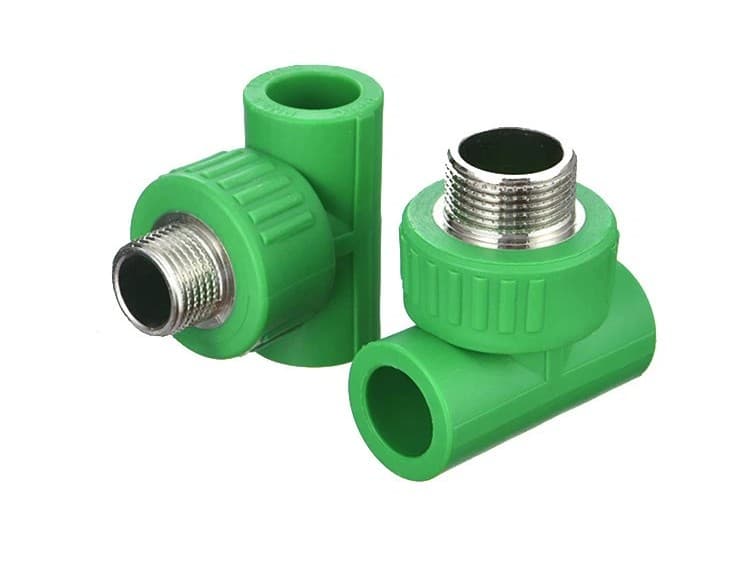
PPR-C (Polypropylene Random Copolymer) pipes are widely used in plumbing, industrial fluid systems, HVAC networks, and water distribution because of their durability, corrosion resistance, and long service life. However, one challenge that affects polymer-based piping systems is prolonged exposure to ultraviolet (UV) radiation.
UV stabilization plays an important role in protecting PPR-C pipes from sunlight-related degradation and maintaining their structural performance over time.
PPR-C (Polypropylene Random Copolymer) pipes are widely used in plumbing, industrial fluid systems, HVAC networks, and water distribution because of their durability, corrosion resistance, and long service life. However, one challenge that affects polymer-based piping systems is prolonged exposure to ultraviolet (UV) radiation.
UV stabilization plays an important role in protecting PPR-C pipes from sunlight-related degradation and maintaining their structural performance over time.
What is UV Stabilization?
UV stabilization is the process of adding protective compounds during pipe manufacturing to reduce the damaging effects of ultraviolet rays from sunlight.
Without UV protection, continuous exposure can gradually weaken the outer surface of polymer pipes and reduce their service life.
UV stabilizers help by:
-
Absorbing harmful UV radiation
-
Preventing molecular breakdown of polymer chains
-
Reducing surface cracking and fading
-
Maintaining mechanical strength over extended exposure
UV stabilization is the process of adding protective compounds during pipe manufacturing to reduce the damaging effects of ultraviolet rays from sunlight.
Without UV protection, continuous exposure can gradually weaken the outer surface of polymer pipes and reduce their service life.
UV stabilizers help by:
- Absorbing harmful UV radiation
- Preventing molecular breakdown of polymer chains
- Reducing surface cracking and fading
- Maintaining mechanical strength over extended exposure
Why UV Protection is Important in PPR-C Pipes
Although standard PPR-C pipes perform exceptionally well indoors and underground, outdoor installations require additional protection against direct sunlight.
Although standard PPR-C pipes perform exceptionally well indoors and underground, outdoor installations require additional protection against direct sunlight.
Common Effects of UV Exposure:
-
Surface discoloration
-
Reduced impact resistance
-
Loss of flexibility
-
Material embrittlement
-
Shortened operational lifespan
UV-stabilized PPR-C pipes are designed to minimize these risks.
- Surface discoloration
- Reduced impact resistance
- Loss of flexibility
- Material embrittlement
- Shortened operational lifespan
UV-stabilized PPR-C pipes are designed to minimize these risks.
How UV Stabilization Works in PPR-C Pipes
Manufacturers incorporate specialized additives during extrusion.
Manufacturers incorporate specialized additives during extrusion.
Typical UV Stabilization Methods:
1. UV Absorbers
These additives absorb ultraviolet energy and convert it into harmless heat.
These additives absorb ultraviolet energy and convert it into harmless heat.
2. Hindered Amine Light Stabilizers (HALS)
HALS protect the polymer structure by preventing oxidative degradation.
HALS protect the polymer structure by preventing oxidative degradation.
3. Protective Outer Layers
Some advanced PPR-C systems include external colored or reinforced layers for enhanced outdoor performance.
Some advanced PPR-C systems include external colored or reinforced layers for enhanced outdoor performance.
Applications of UV-Stabilized PPR-C Pipes
UV-stabilized piping is commonly preferred for:
-
Rooftop water distribution systems
-
Industrial outdoor piping networks
-
Agricultural irrigation installations
-
Solar hot water circulation systems
-
Exposed utility lines
-
Commercial building infrastructure
UV-stabilized piping is commonly preferred for:
- Rooftop water distribution systems
- Industrial outdoor piping networks
- Agricultural irrigation installations
- Solar hot water circulation systems
- Exposed utility lines
- Commercial building infrastructure
Benefits of UV-Stabilized PPR-C Pipes
Extended Service Life
Protection against sunlight helps maintain performance for many years.
Protection against sunlight helps maintain performance for many years.
Better Structural Integrity
Pipes retain strength and dimensional stability.
Pipes retain strength and dimensional stability.
Lower Maintenance Costs
Reduced degradation minimizes replacement frequency.
Reduced degradation minimizes replacement frequency.
Improved Appearance
Color and surface finish remain more consistent over time.
Color and surface finish remain more consistent over time.
Installation Recommendations
To maximize performance:
-
Avoid unnecessary direct sun exposure where possible
-
Use protective covers for long-term outdoor installations
-
Follow manufacturer exposure guidelines
-
Store pipes away from prolonged sunlight before installation
-
Inspect exposed systems periodically
To maximize performance:
- Avoid unnecessary direct sun exposure where possible
- Use protective covers for long-term outdoor installations
- Follow manufacturer exposure guidelines
- Store pipes away from prolonged sunlight before installation
- Inspect exposed systems periodically
Conclusion
UV stabilization significantly improves the outdoor durability of PPR-C pipes by protecting them from ultraviolet radiation and environmental aging. For projects involving rooftop, industrial, or exposed installations, selecting UV-stabilized PPR-C piping can contribute to better reliability, reduced maintenance, and longer operational life.
When specifying PPR-C systems, always evaluate environmental conditions and choose UV protection levels appropriate for the project requirements.
UV stabilization significantly improves the outdoor durability of PPR-C pipes by protecting them from ultraviolet radiation and environmental aging. For projects involving rooftop, industrial, or exposed installations, selecting UV-stabilized PPR-C piping can contribute to better reliability, reduced maintenance, and longer operational life.
When specifying PPR-C systems, always evaluate environmental conditions and choose UV protection levels appropriate for the project requirements.