PPR Pipe and Fittings – Complete Guide for Modern Plumbing Solutions
What is PPR Pipe?
PPR (Polypropylene Random Copolymer) pipes are advanced thermoplastic piping systems widely used in residential, commercial, industrial, pharmaceutical, and chemical applications. These pipes are known for their high durability, corrosion resistance, leak-proof joints, and long service life.
Today, PPR piping systems are becoming the preferred replacement for traditional GI, PVC, and metal pipes due to their superior performance and low maintenance requirements.
Advantages of PPR Pipes and Fittings
1. Long Life Span
PPR pipes can last more than 50 years under proper operating conditions.
2. Corrosion Resistant
Unlike metal pipes, PPR pipes do not rust, corrode, or react with chemicals.
3. Leak-Proof Jointing
Heat fusion welding creates a permanent and leak-free connection.
4. High Temperature Resistance
Suitable for both hot and cold water applications.
5. Smooth Inner Surface
Prevents scaling and ensures better water flow.
6. Chemical Resistance
Ideal for pharmaceutical, laboratory, and industrial fluid transfer systems.
7. Eco-Friendly Material
PPR material is recyclable and safe for potable drinking water.
Applications of PPR Pipes
Residential Plumbing
- Hot and cold water supply
- Bathroom and kitchen pipelines
- Overhead tank connections
Commercial Buildings
- Hotels
- Hospitals
- Shopping malls
- Office complexes
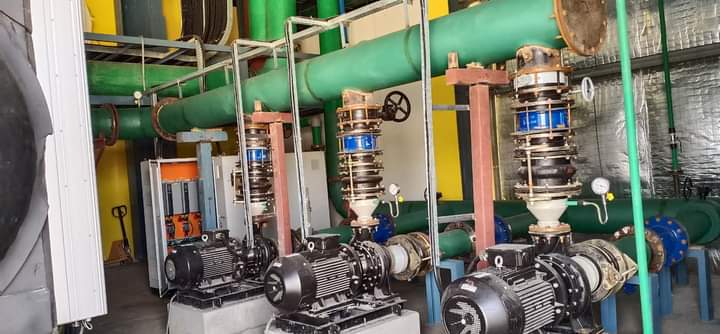
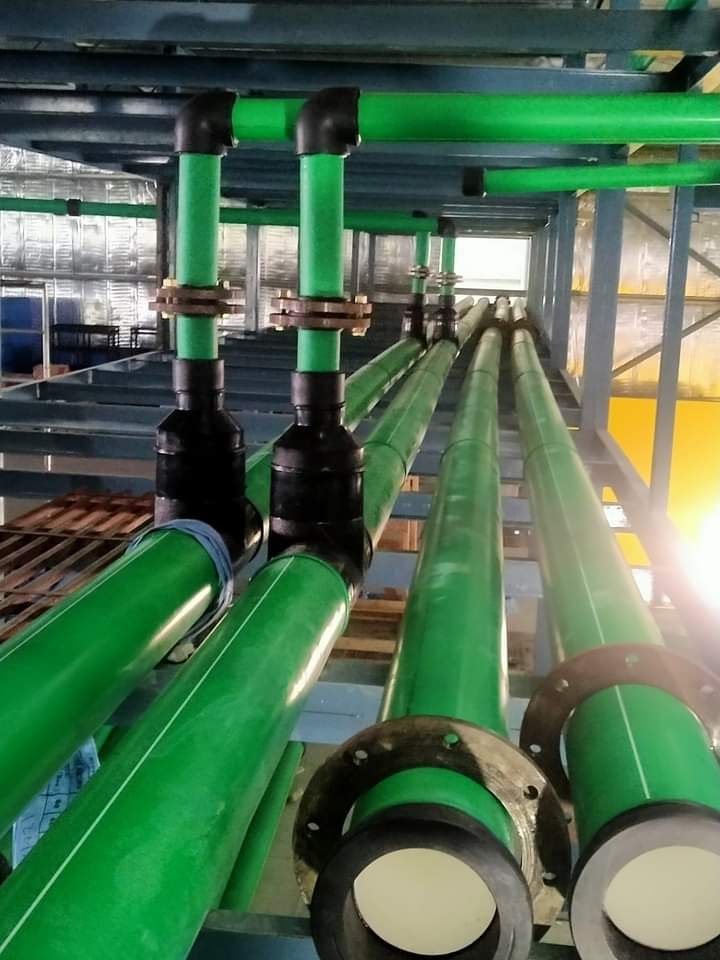
Industrial Applications
- Chemical transfer systems
- Compressed air systems
- Food processing plants
Pharmaceutical Industry
- Purified water systems
- Process pipelines
- Clean room utilities
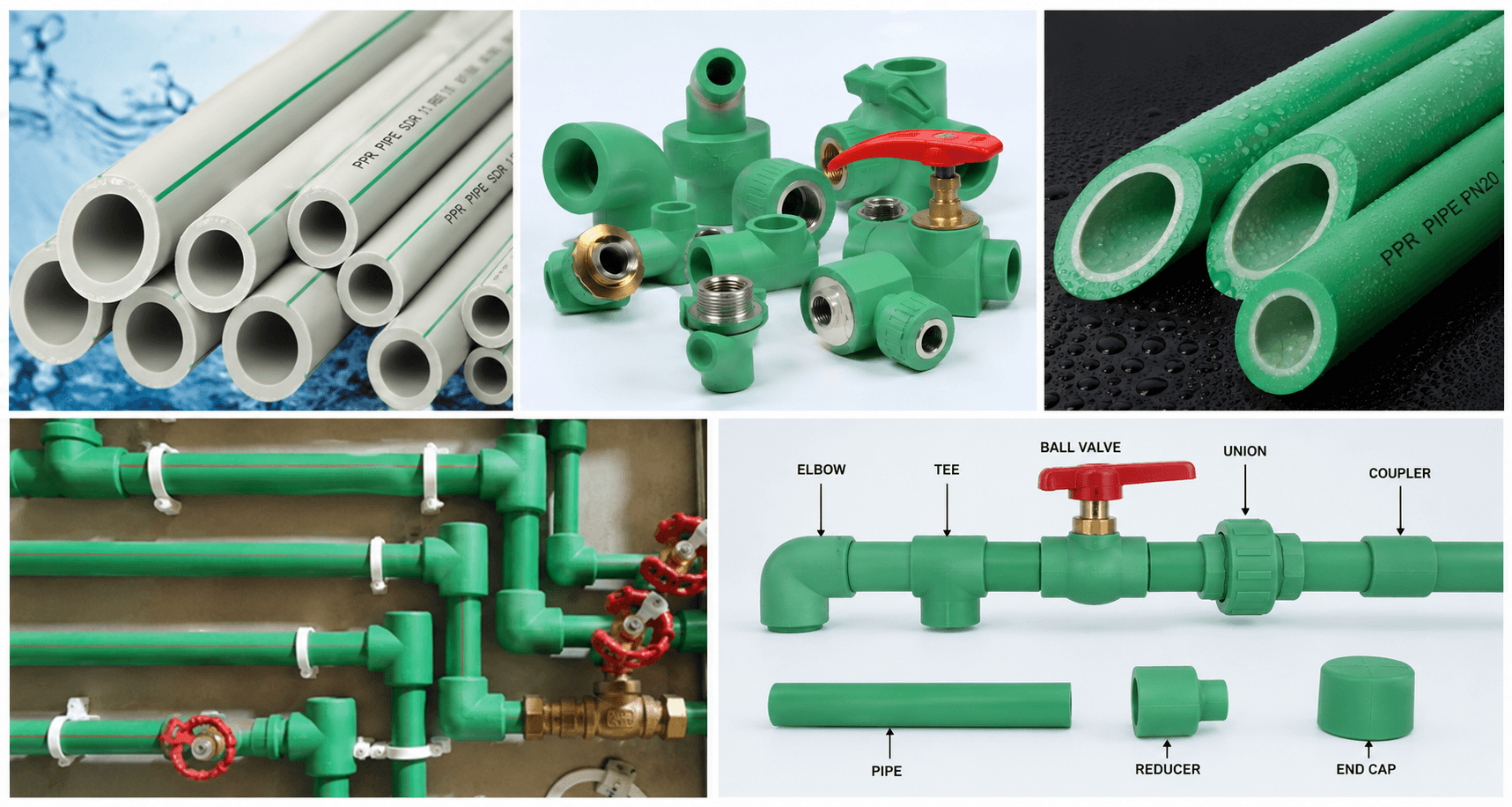
Common Types of PPR Fittings
PPR piping systems include multiple fittings for different installation requirements.
Elbow
Used to change pipe direction.
Tee
Used for branch connections.
Coupler
Connects two pipes together.
Reducer
Used to reduce pipe size.
Union
Provides easy maintenance and dismantling.
Valve
Controls water or fluid flow.
End Cap
Closes the pipe end securely.
Why Choose PPR Over Traditional Pipes?
| Feature | PPR Pipe | GI Pipe | PVC Pipe |
|---|---|---|---|
| Corrosion Resistance | Excellent | Poor | Good |
| Temperature Handling | High | Medium | Low |
| Leak Resistance | Excellent | Medium | Medium |
| Life Span | 50+ Years | 10–15 Years | 15–20 Years |
| Maintenance | Low | High | Medium |
PPR Pipe Installation Process
Step 1 – Pipe Cutting
Cut the pipe using a proper pipe cutter.
Step 2 – Heating
Heat both pipe and fitting using a fusion welding machine.
Step 3 – Joining
Insert the pipe into the fitting carefully.
Step 4 – Cooling
Allow proper cooling time for strong bonding.
The fusion joint becomes as strong as the pipe itself.
Industries Using PPR Piping Systems
- Pharmaceutical Industries
- Hospitals
- Chemical Plants
- Food Processing Units
- Residential Apartments
- Commercial Buildings
- HVAC Systems
Maintenance Tips for PPR Pipes
- Avoid excessive external impact.
- Use proper support clamps.
- Follow standard installation guidelines.
- Use quality fittings and welding machines.